
 +91-8920707042 / 8700245593
Pilibhit’s upcoming Leopard Safari Park will be one of the most exciting wildlife tourism projects in Uttar Pradesh. Pilibhit Tiger Reserve is renowned for its lush forests, wetlands, and tiger habitats and has already become a popular destination for nature enthusiasts and jungle safari enthusiasts. The new leopard safari park will further establish the region as an emerging ‘eco-tourism hotspot’ in India.
Pilibhit Tiger Reserve is located in the famous Terai Arc Landscape which links various wildlife habitats of northern India and Nepal. The area has a large numbers of sal forest, grassland, rivers and lots of wildlife species. Although most visitors come to Pilibhit for its tigers, it’s not the only attraction of the forests-they also provide shelter for leopards, swamp deer, elephants, wild boars, reptiles and hundreds of species of birds.
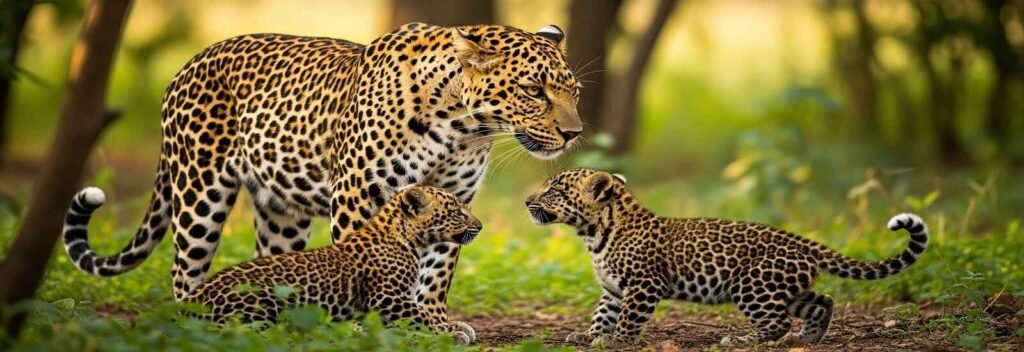
The proposed Leopard Safari Park will provide a safe and natural habitat for the conservation and rehabilitation of the leopard. The safari park is not like a traditional zoo where animals are kept in cages, but rather it is expected to offer bigger enclosures for animals that are set in a forested environment and resemble the animals’ natural environment. Visitors can get up close with leopard in more authentic jungle surroundings, while gaining knowledge on wildlife conservation and biodiversity.
Leopards are one of the most adaptable big cats in India. They thrive in grasslands, forests, hills and even near human settlements. But for many areas in the country, habitat loss, deforestation, and growing human-wildlife conflict have posed problems in the conservation of leopards. The new Leopard Safari Park in Pilibhit may be useful in the rescue programmes, rehabiliation of these magnificent animals and in the long-term conservation programmes.
The project also will create eco-tourism opportunities in Uttar Pradesh. Tourists have been increasingly interested in the nature-based activities, like jungle safaris, Wildlife Photography, birdwatching and eco-tourism, and these are the themes of wildlife tourism. Pilibhit is also a perfect place for the travelers who like to experience the nature in a peaceful and serene way as compared with the crowded tourist places.

Tourism authorities are reportedly proposing a number of eco-tourism centres near the safari park. These can be nature interpretation centers, safari routes, eco-friendly lodging, photo safaris, guided tours or visitor education programs. These can contribute to the development of domestic and international tourism for wildlife exploration and conservation.
The Leopard Safari Park also has the potential to forge robust tourism linkages with the adjoining wildlife reserves like the Dudhwa National Park and Kishanpur Wildlife sanctuary. The combination of these protected areas makes them an important wildlife tourism circuit in the Terai region. If travelers are interested in booking a jungle safari in Dudhwa National Park, then they can extend their travel to Pilibhit for more wildlife attractions.
The Terai region is the most diverse biodiversity area in India. It not only helps to preserve tigers and leopards but also elephants, rhinos, crocodiles, migratory birds and rare plant species. Parks like Leopard Safari Park can be used to educate people about the need to conserve these delicate ecosystems though an eco-tourism project.

A further advantage of the project will be the economic opportunity that it may afford to the local community. Eco-tourism can create jobs in the safaris, guiding services, hospitality, transportation, handicrafts and local businesses. If local communities are making money with tourism, they will be more inclined to help conserve wildlife and sustainable forest protection.
Development of the safari park is expected to drive the wildlife photography tourism market.The wildlife photography tourism market is expected to increase with the development of the safari park. Wildlife photographers and nature lovers are always searching for special places to see and photograph wildlife in their natural environment. Leopards are among the most interesting and elusive predators in India, and are a popular subject with wildlife photographers.
Resident and migrant birds are found in abundance in the forests and wetlands and this may lead to an increase in birdwatching tourism in the Pilibhit area. The Leopard Safari Park is also close to some wetlands, rivers, and grasslands that are home to a wide variety of birds.
There are many exciting opportunities in the project, however, responsible tourism and appropriate management of conservation will be of great importance. Too much tourism can disrupt wildlife habitats, unless properly managed. Limited numbers of safaris, infrastructure, waste management, conservation awareness programmes etc. should be continued, as these are relevant to sustainable tourism practices.
Indeed, forest conservation experts have often stated that eco-tourism should not be a threat to the natural environment but rather a means of its protection. To achieve the goals of the Leopard Safari Park will depend on balancing the growth of tourism with the protection of wildlife and preservation of habitat.
This safari park has also been developed in accordance with the increasing interest in wildlife tourism in India. Increasingly, travelers consider their vacations to be an opportunity to get in contact with nature and to participate in conservation. Adventure and nature lovers are now having jungle safaris, nature camps, forest stays and Wildlife Photography tours.
Pilibhit’s Leopard Safari Park will further boost the popularity of the Terai as a wildlife destination, especially for those planning a jungle safari in Dudhwa National Park. The prospect of tiger safaris, sightings of leopards, bird watching, wetlands and thick woods visiting in one circuit of the eco-tourism trail could soon be a reality.
The upcoming construction of the Leopard Safari Park in Pilibhit could be a game-changer for the conservation efforts and sustainable tourism in Uttar Pradesh. The project will help to conserve leopards, and foster eco-tourism and livelihoods for local people, which could have long-term positive environmental and economic impacts.
With the rising popularity of nature travel globally, Pilibhit Tiger Reserve and the Terai region are poised to become even more significant in India’s future as a top wildlife tourism destination.
 How To Reach At PTR
